
April 9, 2026
Heavy equipment movers play a critical role in warehouse and manufacturing setups where precision, safety, and efficiency are non-negotiable. Whether you are installing new machinery, relocating production lines, or expanding your facility, the right team ensures your equipment is moved and placed correctly without disrupting operations.
If your project involves tight timelines, complex layouts, or high-value machinery, failure is not an option. One mistake, one delay, or the wrong team can cost you thousands and put your entire operation at risk. This is exactly why companies that cannot afford downtime trust Atlantic Millwrights. If you want certainty instead of risk, and results instead of excuses, contact us now and secure the team that gets it done right the first time.
Key Summary
Heavy equipment movers are essential for warehouse and manufacturing setups that require safe, precise handling of machinery. These projects rely on industrial rigging, detailed planning, and experienced teams to minimize downtime and avoid costly mistakes. Choosing the right partner ensures efficient installation, proper alignment, and long-term operational success.
What Heavy Equipment Movers Do in Industrial Environments
Heavy equipment movers specialize in transporting, positioning, and installing large machinery in controlled environments. In warehouses and manufacturing facilities, this often involves navigating tight spaces, working around existing systems, and coordinating with multiple teams.
Most projects involve a combination of transportation, rigging, and installation. This is where rigging services become essential, allowing teams to safely lift and place equipment with precision.
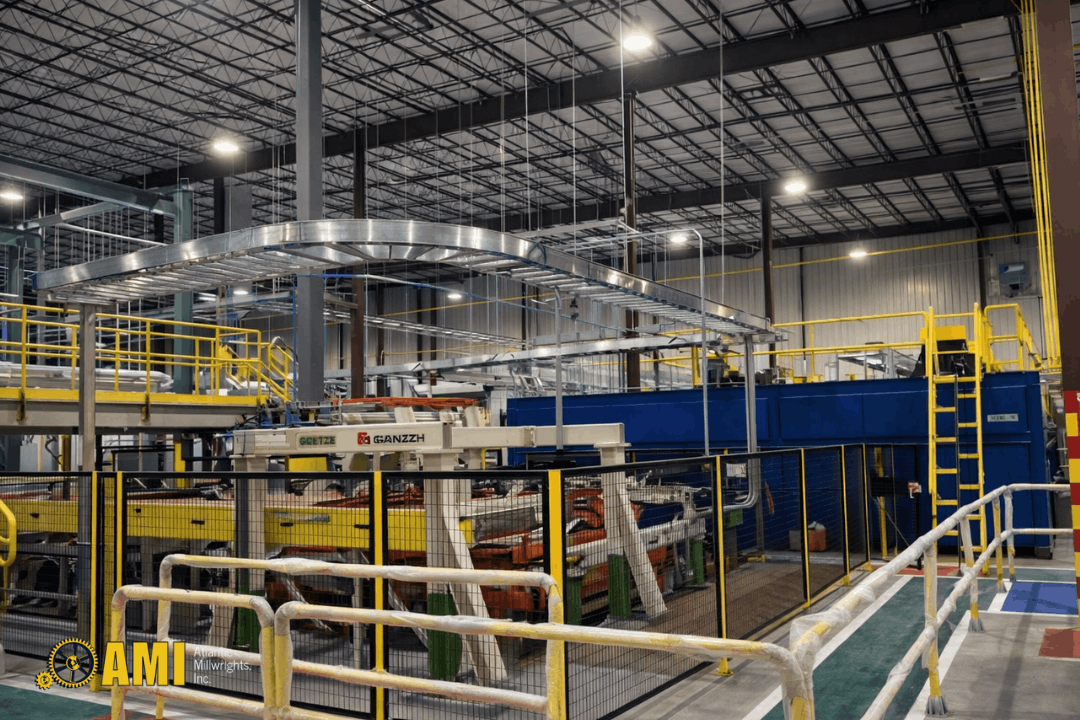
Installed industrial machinery inside a large warehouse environment
Why Warehouses and Manufacturing Facilities Require Specialized Movers
Complex Layouts and Limited Space
Warehouses and production floors are rarely empty. Equipment must be moved through narrow aisles, around existing systems, and into exact positions without disrupting operations. Many facilities also rely on integrated workflows tied to warehouse services, making precision even more important.
High-Value Machinery
Manufacturing equipment is often expensive and sensitive. Improper handling can lead to damage, delays, and significant financial loss.
Need for Precision Installation
Heavy equipment movers do more than transport machinery. They ensure equipment is aligned, leveled, and ready for operation, often working alongside millwright services to complete installation.
Strict Timelines and Downtime Pressure
Every hour of downtime impacts production. Professional movers understand how to execute quickly while maintaining safety and accuracy.
The Role of Industrial Rigging in Heavy Equipment Moving
Industrial rigging is what makes complex equipment moves possible. It involves the use of specialized tools, load calculations, and engineered lift plans to safely handle heavy or oversized machinery.
Projects often require additional support such as crane services or custom solutions built through custom fabrication and welding to ensure equipment is moved without risk.
Step-by-Step Process for Warehouse and Manufacturing Equipment Moves
Site Evaluation and Planning
The process starts with a full site assessment. Teams evaluate access points, measure clearances, and develop a plan to move equipment safely. In some cases, projects may also involve coordination with industrial construction teams.
Equipment Preparation
Machinery is prepared for transport, which may include disassembly, securing components, and protecting sensitive parts.
Transportation and Logistics
Moving equipment between locations requires careful coordination. This may involve trucking services to ensure safe delivery.
Rigging and Placement
Once on-site, rigging teams lift and position equipment using specialized tools and techniques to ensure accuracy.
Final Installation and Alignment
Equipment is aligned and secured, ensuring it is ready for operation without additional adjustments. This phase may also overlap with system work like piping and pipe fitting depending on the facility.
Common Challenges in Heavy Equipment Moving
Tight Spaces
Limited access points and confined areas require careful planning and precise execution.
Weight and Load Complexity
Handling heavy or uneven loads requires experience and proper equipment to avoid safety risks.
Coordination Across Teams
Projects often involve multiple contractors. Without proper coordination, delays can quickly add up. In some cases, older systems may also require industrial demolition services before new equipment can be installed.
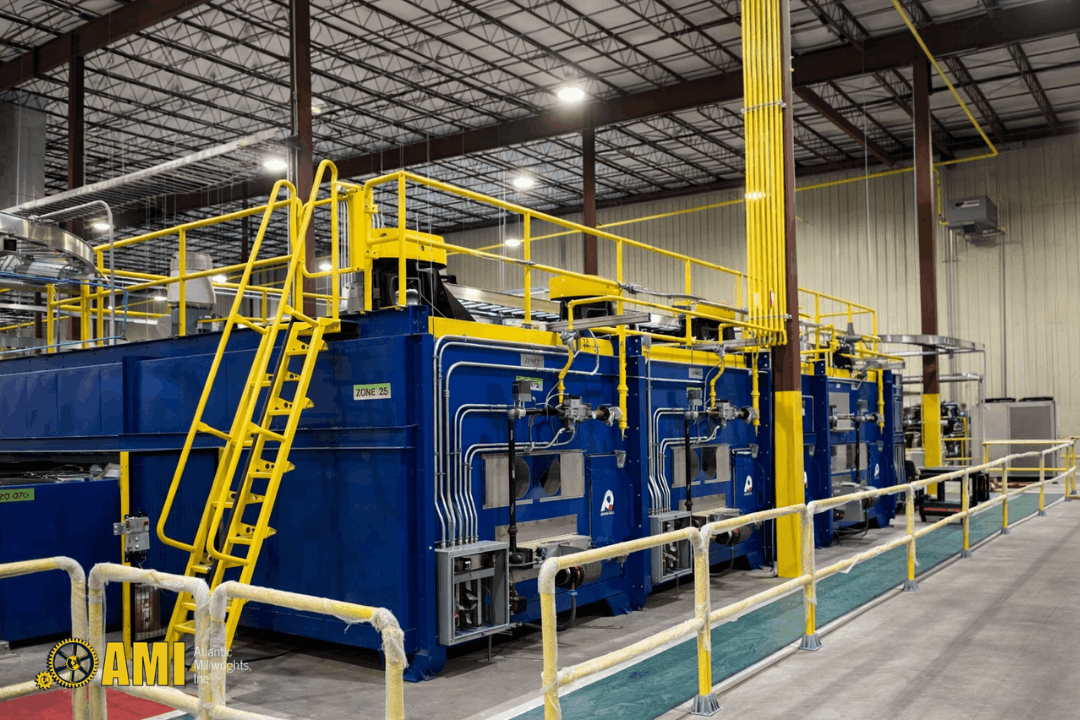
Manufacturing equipment installed with safety systems in place
How to Choose the Right Heavy Equipment Movers
Experience in Warehouse and Manufacturing Projects
Look for a team with proven experience in similar environments. Reviewing a team’s past projects can provide valuable insight.
Full-Service Capabilities
The best partners offer more than just moving services. They can support your project across multiple phases and cover multiple industries.
Safety and Compliance
Ensure the company follows OSHA and ASME standards and maintains a strong safety record.
Clear Communication and Execution
A reliable partner will provide clear timelines, detailed planning, and consistent updates throughout the project.
Why the Right Heavy Equipment Movers Make the Difference
The difference between a smooth project and a costly disruption comes down to execution. The right team ensures your equipment is handled correctly, your timelines are protected, and your operation stays on track.
If you are planning a warehouse or manufacturing move, do not risk delays, damage, or misalignment. Work with a team that understands how to manage complex projects from start to finish. Contact us today to start planning your move with confidence.
Frequently Asked Questions
What do heavy equipment movers do in warehouses?
They transport, position, and install machinery while ensuring safety, precision, and minimal disruption to operations.
Do heavy equipment movers handle installation?
Yes, many work alongside millwright teams to ensure equipment is properly aligned and ready for use.
How long does it take to move heavy equipment?
The timeline depends on the size and complexity of the project, but proper planning helps reduce delays.
Is industrial rigging required for heavy equipment moving?
In most cases, yes. Rigging is essential for safely lifting and placing heavy or oversized machinery.
How do I choose the right heavy equipment movers?
Look for experience, safety standards, full-service capabilities, and a proven track record with similar projects.